When Routine Makes Safety Easier to Overlook
Sep 13, 2025
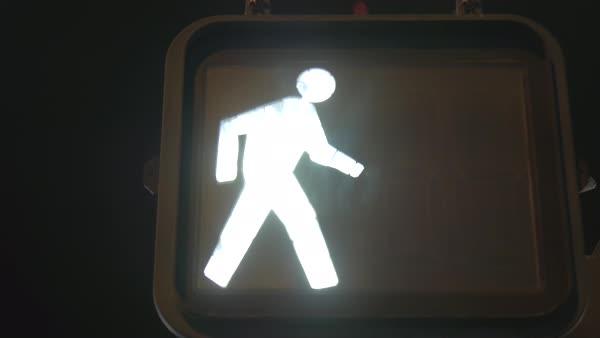
Routine helps daily life run smoothly. Knowing where to go, what to do, and how long something usually takes reduces stress and builds confidence. For older adults, routine supports independence and comfort. At the same time, it can make certain risks harder to notice.
When activities feel familiar, people are less likely to pause and reassess their surroundings. Sidewalks that have always felt safe may change due to construction or wear. Store layouts may shift. Traffic patterns, lighting, and noise levels can vary from day to day. These changes often go unnoticed because the activity itself feels routine.
Routine can also affect preparedness. During activities that happen every day, individuals may not carry identification, medical details, or communication tools because they do not expect to need them. If an unexpected situation occurs, this lack of preparation can slow down assistance.
How routine reduces awareness
Routine can lead to:
Moving more quickly without scanning surroundings
Relying on memory instead of checking signs or signals
Assuming help will not be needed
Overlooking small changes in environment
These behaviors are normal, but they increase risk when conditions change.
Why awareness matters
Safety planning should take routine into account rather than ignore it. Planning for everyday activities helps ensure that support is available even when nothing unusual is expected.
Recognizing how routine affects awareness allows individuals and families to make small adjustments that improve safety without disrupting daily life.