Walking, Shopping, and Staying Safe
Sep 20, 2025
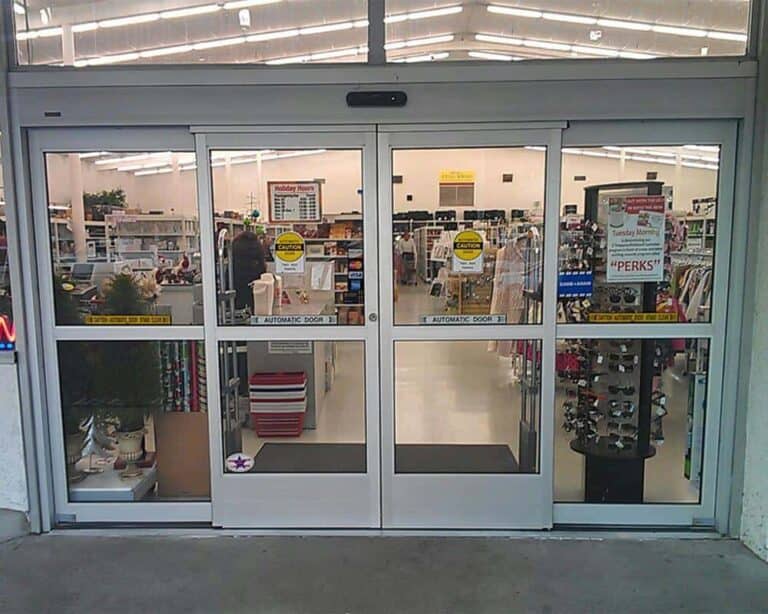
Many daily activities that support independence also involve movement through shared spaces. Walking outdoors, shopping, or completing errands often require navigating sidewalks, store aisles, entrances, and parking areas. These environments are designed for convenience, but they also present common safety challenges.
Rather than focusing on emergencies, it is useful to look at how risk appears during normal movement.
Where challenges commonly appear
During walking and shopping activities, safety concerns often relate to:
Uneven sidewalks or changes in pavement
Automatic doors or narrow entrances
Wet floors or recently cleaned surfaces
Parking lot traffic and unclear walkways
Store aisles with obstacles or tight spacing
These conditions are not unusual, but they can affect balance, visibility, and reaction time.
Why errands increase exposure to risk
Errands usually involve multitasking. Carrying bags, reading signs, watching traffic, and staying aware of surroundings all happen at once. This divided attention can make it harder to notice hazards, especially in busy or unfamiliar conditions.
Time pressure can also play a role. People may move more quickly to finish tasks, increasing the chance of missteps or missed signals.
Practical awareness tips
Improving safety during errands does not require avoiding these activities. Awareness can be improved by:
Taking extra time during transitions
Watching for surface changes
Being cautious in crowded or noisy areas
Planning errands during less busy times when possible
Small adjustments like these help reduce risk while supporting continued independence.
Understanding how everyday movement affects safety allows individuals and families to plan more effectively without limiting normal routines.