Where Do Safety Risks Usually Occur?
Aug 30, 2025
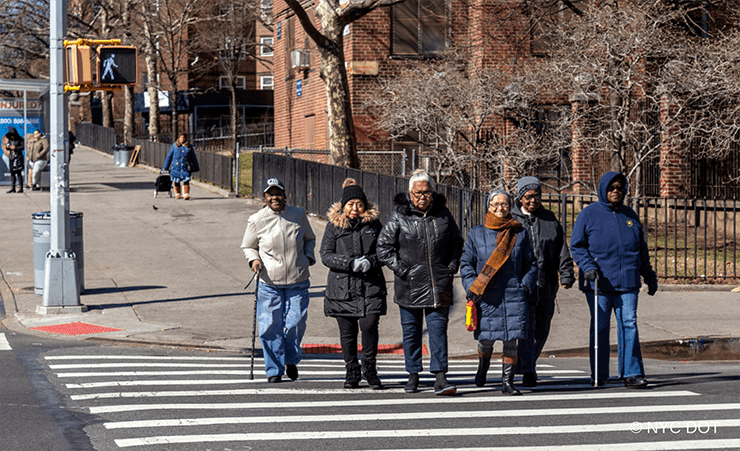
When people think about safety risks for older adults, they often picture unusual or extreme situations. In reality, many safety concerns appear in places that are part of everyday life. Recognizing these locations makes prevention more practical and effective.
Common environments where risks occur
Safety challenges are most likely to appear in places that are visited frequently, including:
Inside the home, especially near stairs, bathrooms, and entryways
Sidewalks, crosswalks, and parking lots
Grocery stores, pharmacies, and retail spaces
Public transportation areas and waiting zones
Community spaces such as parks or recreation centers
Because these environments are familiar, potential hazards may be overlooked.
Why familiar locations increase risk
Familiar places often feel predictable, which can reduce awareness. Small changes can make a difference, such as:
Temporary construction or blocked pathways
Changes in lighting or floor surfaces
Crowded spaces that limit visibility or movement
Weather conditions like rain, ice, or heat
These factors are common and not always noticed right away.
Transitions matter
Risk is also higher during transitions. These include moments such as:
Leaving or entering a building
Crossing streets or parking areas
Moving between activities or locations
Carrying items while walking
Transitions often require quick decisions and physical balance, which can increase risk.
Why this awareness matters
Identifying where safety risks occur helps shift planning away from emergency-only responses. When everyday locations are included in safety planning, it becomes easier to reduce risk without limiting independence.
Focusing on common environments allows individuals, families, and communities to take realistic steps toward safer daily routines.