Safety Considerations in Public Spaces
Oct 18, 2025
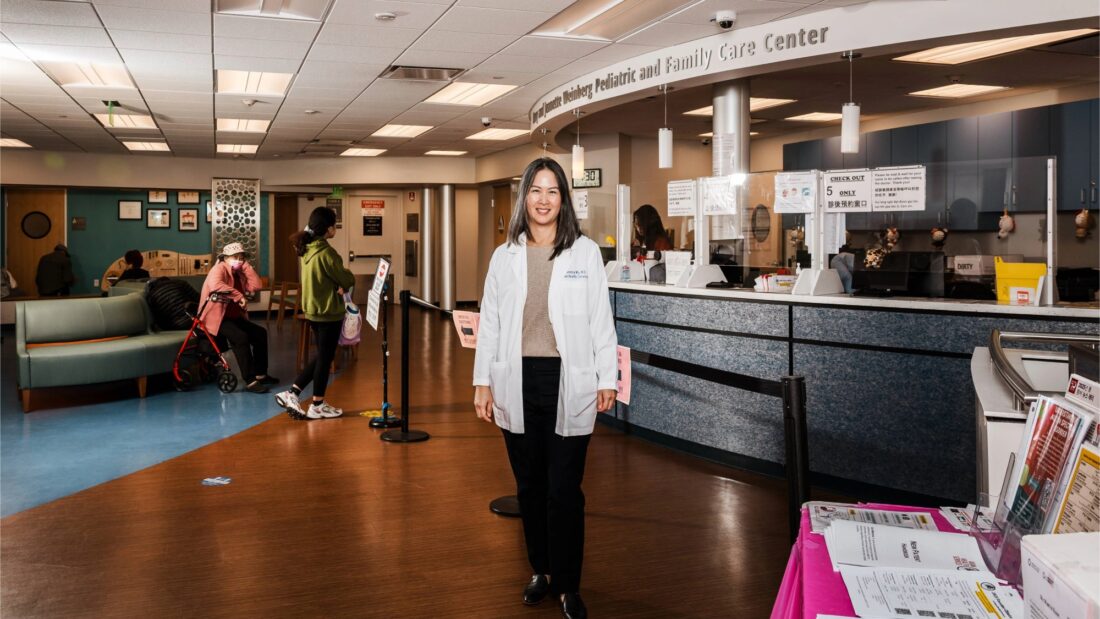
Public spaces are designed for shared use, which means they often involve movement, noise, and constant change. For older adults, these environments can support independence while also presenting safety considerations that are easy to overlook.
Common public spaces to consider
Public spaces that are part of everyday routines include:
Grocery stores and retail centers
Community buildings and libraries
Parks and walking paths
Transit stations and waiting areas
Medical offices and pharmacies
Each space has different layouts, lighting, and activity levels that can affect awareness and navigation.
Layout and design factors
The physical design of public spaces plays a major role in safety. Factors that may increase risk include:
Wide open areas with limited seating
Long walking distances between entrances and exits
Unclear signage or directional information
Sudden changes in flooring or elevation
Crowded layouts that limit visibility
These elements are not dangerous by default, but they can create challenges during busy or stressful moments.
Behavior in shared environments
Public spaces also involve interaction with others. Noise, crowds, and time pressure can make it harder to focus or communicate clearly. People may hesitate to ask for help or take extra time because they do not want to disrupt others.
Planning for public spaces
Including public environments in safety planning helps reduce uncertainty. Awareness of layout, access points, and available assistance allows older adults to move through these spaces more confidently while maintaining independence.
Understanding how public spaces affect safety supports better preparation without limiting daily activities.