Familiar Places Can Still Create Safety Risks
Aug 16, 2025
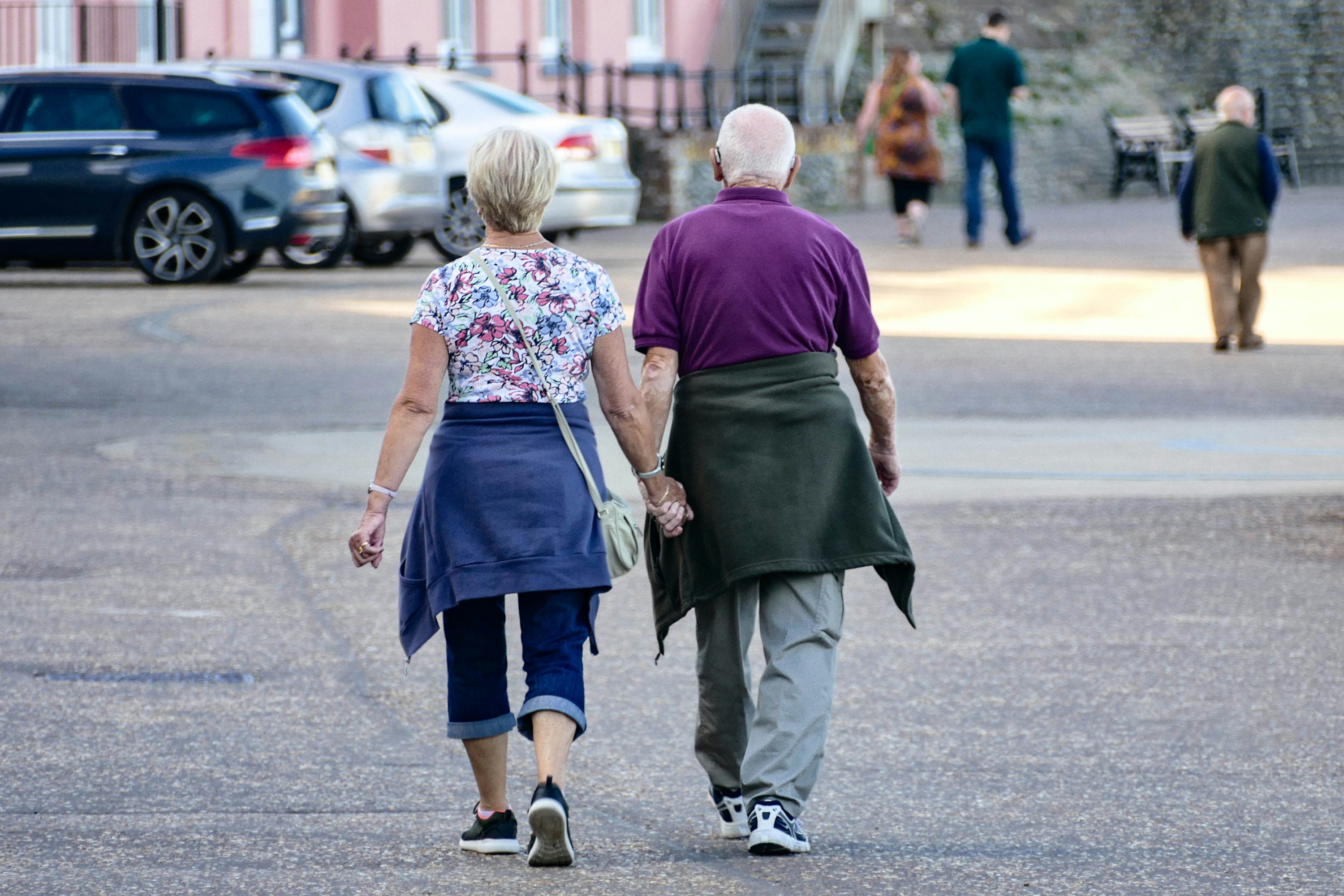
Many people assume that safety concerns only arise in unfamiliar or high-risk environments. In reality, some of the most common safety challenges for older adults occur in places they visit regularly.
Familiar locations such as neighborhood streets, grocery stores, parks, or community centers often feel predictable and safe. Because these environments are well known, individuals may be less alert to potential risks. However, familiarity does not prevent issues such as momentary confusion, physical strain, missed directions, or medical symptoms from occurring.
For older adults, even small disruptions can become safety concerns. A street that looks familiar may suddenly feel confusing. A routine errand may take longer than expected. A brief lapse in memory or concentration can make it difficult to recall important details or ask for help clearly. These situations are common and do not necessarily indicate a serious problem, but they can still increase risk.
Environmental factors also play a role. Changes in lighting, construction, crowded spaces, or weather conditions can affect navigation and balance. Because these factors are part of everyday life, they are often overlooked during safety planning.
Recognizing that familiar places are not risk-free helps families and communities take a more realistic approach to safety. Planning for everyday environments, rather than focusing only on emergencies or unfamiliar settings, leads to better preparedness.
Improving safety does not mean limiting activity. It means understanding where risks exist and ensuring that support is available when needed, even in places that feel routine.